Source Eco Friendly Rhinestone Plated Metal Buttons for Garments, Bags, and DIY
Compare 30 listings of eco friendly rhinestone plated metal buttons from verified Chinese manufacturers. Buyers can evaluate custom sizes, plating techniques, and application suitability for garments, bags, and DIY projects; compare the available evidence and request quotations based on your requirements.
Key considerations
Products List




Comprehensive Sourcing Guide
Eco Friendly Rhinestone Plated Metal Buttons Sourcing Guide
Sourcing eco-friendly rhinestone plated metal buttons requires a nuanced understanding of material composition, surface treatment processes, and supply chain transparency. Buyers must distinguish between marketing claims of sustainability and verifiable manufacturing practices, particularly when dealing with plated finishes that may involve heavy metals or chemical treatments. The core keyword suggests a focus on aesthetic appeal combined with environmental responsibility, but procurement teams need to validate these attributes through rigorous supplier audits and material certifications. This guide provides a structured approach to evaluating suppliers, verifying technical specifications, and ensuring compliance with international safety standards. By focusing on evidence-based verification rather than promotional language, buyers can mitigate risks associated with non-compliant materials and ensure long-term supply chain stability.
The procurement process for these specialized garment accessories involves balancing aesthetic requirements with functional durability and environmental impact. Buyers should prioritize suppliers who demonstrate transparency in their plating processes and raw material sourcing, as these factors significantly influence the final product’s eco-credentials. Understanding the specific type of metal used, the nature of the rhinestone attachment, and the plating method is essential for making informed purchasing decisions. This guide outlines the critical steps for validating supplier claims, assessing product quality, and establishing commercial terms that protect both parties. By adhering to these evidence-based practices, buyers can secure high-quality, sustainable button solutions that meet both design specifications and regulatory requirements.
Product Scope and Observed Listing Signals
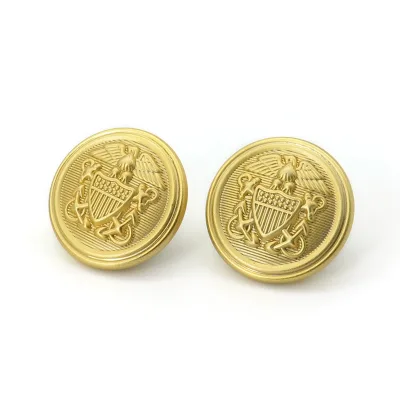
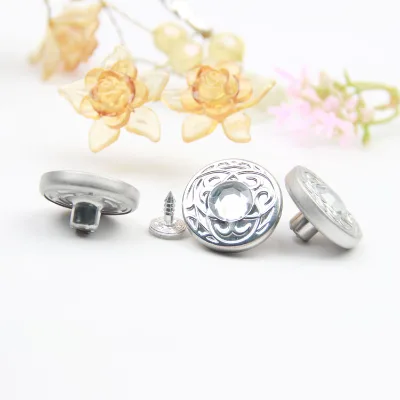
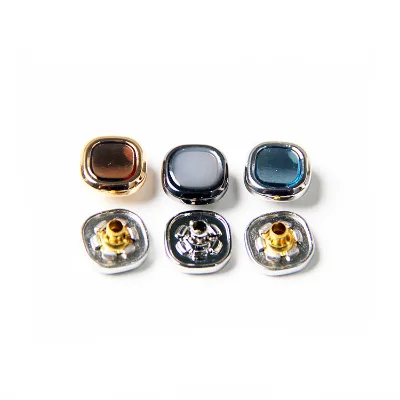
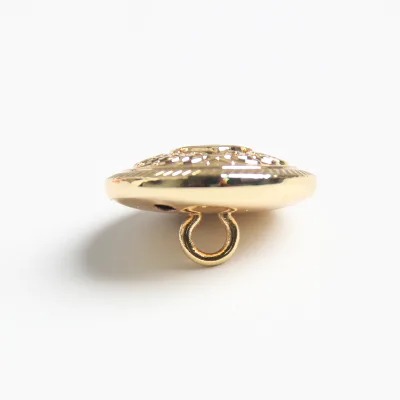
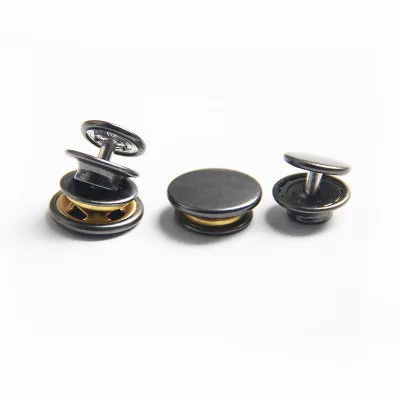
The observed product listings indicate a diverse range of metal buttons with customized features, including various sizes such as 18mm, 20mm, 20.6mm, and 25mm. These buttons are primarily designed for garment accessories, with applications spanning jeans, jackets, sweaters, bags, and overcoats. The listings highlight a focus on customization, offering options for engraved logos and specific shapes like round designs. Buyers should note that while some listings mention "eco-friendly" features, the actual material composition and plating processes vary, requiring careful verification. The presence of different button types, including 2-hole, 4-hole, and prong buttons, suggests a broad product scope that caters to various garment construction needs.
Observed listing signals also reveal a mix of stock and non-stock items, with lead times supporting sample orders within seven days. The product models, such as NCHA114 and NCHA111, indicate a structured inventory system, but buyers must confirm the specific material and plating details for each model. The listings mention "antique brass" and "monocolor" finishes, which may not always align with the "rhinestone plated" description in the core keyword. Buyers should treat these listing attributes as observations rather than guaranteed specifications, verifying each claim through direct supplier communication and sample testing. This approach ensures that the final product meets the desired aesthetic and functional requirements.
Technical Specifications to Verify
Buyers must verify the exact material composition of the metal buttons, ensuring that the base metal and plating layers meet the specified eco-friendly criteria. The listings mention "metal" as the primary material, but the specific alloy and plating thickness are critical for durability and environmental compliance. Buyers should request detailed material safety data sheets (MSDS) and plating process documentation to confirm the absence of restricted substances. Additionally, the size specifications, ranging from 18mm to 25mm, must be verified against the garment’s design requirements to ensure proper fit and functionality. The shape and hole configuration, whether 2-hole, 4-hole, or prong, should also be confirmed to match the intended application.
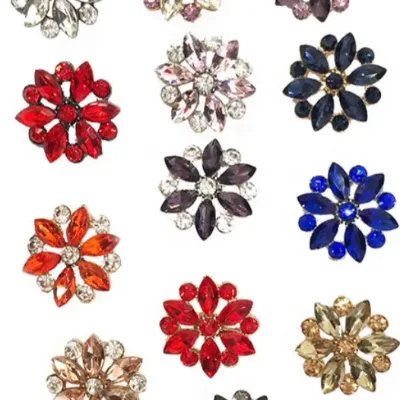
The plating technique, described as "plating" in the listings, requires scrutiny to ensure it meets eco-friendly standards. Buyers should inquire about the specific plating method, such as electroplating or vacuum coating, and the chemicals used in the process. The presence of rhinestones, if applicable, must be verified for secure attachment and material safety. Buyers should also check the button’s resistance to corrosion, fading, and wear, as these factors impact the product’s longevity and performance. Requesting physical samples for testing is essential to validate the technical specifications and ensure they align with the buyer’s quality standards. This verification process helps mitigate risks associated with non-compliant or substandard materials.
Compliance and Safety Documentation
Compliance with international safety standards is paramount when sourcing eco-friendly metal buttons, particularly those intended for garments worn by children or sensitive skin. Buyers must verify that the suppliers hold relevant certifications, such as OEKO-TEX, which indicates that the products have been tested for harmful substances. Although the listings mention OEKO-TEX as a standard, buyers should confirm the specific certification level and scope to ensure it covers the entire production process. Documentation should include test reports from accredited laboratories, detailing the results of chemical and physical safety tests. Buyers should also check for compliance with REACH and CPSIA regulations, depending on the target market, to avoid legal and reputational risks.
In addition to chemical compliance, buyers should verify the supplier’s adherence to environmental management standards, such as ISO 14001, which indicates a commitment to sustainable manufacturing practices. Documentation should include evidence of waste management, water treatment, and energy efficiency measures implemented by the supplier. Buyers should also inquire about the supplier’s policies on responsible sourcing of raw materials, ensuring that the metals and rhinestones are obtained from ethical and sustainable sources. Requesting a comprehensive compliance package from the supplier, including all relevant certificates and test reports, is essential for due diligence. This documentation provides assurance that the products meet both safety and environmental requirements.
Cost Drivers and Commercial Terms
The cost of eco-friendly rhinestone plated metal buttons is influenced by several factors, including the type of metal used, the complexity of the plating process, and the level of customization required. Buyers should expect higher costs for buttons with intricate designs, custom logos, or specialized finishes, as these require additional labor and material resources. The MOQ, ranging from 100 to 50,000 units, also impacts the unit price, with larger orders typically benefiting from economies of scale. Buyers should negotiate pricing based on volume commitments and long-term partnership potential, seeking discounts for repeat orders or bulk purchases. Understanding these cost drivers helps buyers budget effectively and make informed purchasing decisions.
Commercial terms, including payment methods, shipping options, and lead times, are critical components of the procurement process. Buyers should clarify the payment terms, such as T/T or L/C, and ensure they align with their company’s financial policies. Shipping options, including international express, airfreight, and sea freight, should be evaluated based on urgency and cost considerations. Lead times, particularly for customized orders, must be confirmed to ensure timely delivery. Buyers should also discuss warranty and return policies, ensuring that they have recourse in case of quality issues or non-compliance. Clear communication of commercial terms helps establish a transparent and mutually beneficial relationship with the supplier.
Supplier Qualification and Quality Control
Supplier qualification is a critical step in ensuring the reliability and quality of eco-friendly rhinestone plated metal buttons. Buyers should conduct thorough due diligence, including site visits, audits, and reference checks, to verify the supplier’s manufacturing capabilities and compliance with standards. The supplier’s history, such as being founded in 1984, may indicate experience and stability, but buyers should also assess their current operational practices and quality control systems. Buyers should request a detailed quality management plan, including inspection procedures, testing protocols, and corrective action processes. This plan should outline how the supplier ensures consistency in product quality and addresses any deviations from specifications.
Quality control measures should be implemented throughout the production process, from raw material inspection to final product packaging. Buyers should verify that the supplier conducts regular in-process inspections and final random inspections (FRI) to identify and rectify defects. The supplier should also provide a certificate of conformity (CoC) for each batch, confirming that the products meet the agreed-upon specifications. Buyers should consider engaging a third-party inspection agency to conduct independent quality checks, particularly for large orders or new suppliers. This additional layer of verification helps ensure that the products meet the buyer’s quality standards and reduces the risk of receiving non-conforming goods.
Long-Term Procurement Checks
Long-term procurement checks are essential for maintaining the quality and compliance of eco-friendly rhinestone plated metal buttons over time. Buyers should establish a regular review process, including periodic audits, performance evaluations, and feedback loops, to monitor the supplier’s ongoing compliance and quality performance. These checks should assess the supplier’s adherence to environmental standards, safety regulations, and commercial terms. Buyers should also track key performance indicators (KPIs), such as on-time delivery, defect rates, and customer satisfaction, to identify areas for improvement. This continuous monitoring helps ensure that the supplier remains aligned with the buyer’s evolving needs and expectations.
Buyers should also foster a collaborative relationship with the supplier, encouraging open communication and joint problem-solving. Regular meetings and site visits can help build trust and address any issues promptly. Buyers should also stay informed about changes in regulations and industry standards, ensuring that the supplier adapts to new requirements. By maintaining a proactive approach to supplier management, buyers can mitigate risks, enhance product quality, and secure a reliable supply chain. This long-term perspective helps ensure that the procurement process remains efficient, compliant, and aligned with the buyer’s strategic goals.
FAQs
What customization options are available for these metal buttons?
Customization is available for logo engraving and button type selection. You can request specific sizes like 18mm or 25mm and choose from round shapes. The brand offers OEM services with a history dating back to 1984 for tailored garment accessories.
How long does it take to receive a sample order?
A sample order lead time of 7 days is supported for these custom metal buttons. This allows buyers to verify quality before placing larger orders. The product is not kept in stock, ensuring each item is produced to specific requirements.
Which materials are used to manufacture these garment buttons?
These buttons are manufactured using metal materials with plating techniques. The color options include antique brass and monocolor finishes. They are designed as eco-friendly accessories suitable for jeans, jackets, and bags.
Can I order these buttons with a custom engraved logo?
Yes, you can order these buttons with a customized engraved logo. The product supports various applications including DIY projects and overcoats. This feature allows for unique branding on garment clothing buttons and other fashion accessories.
What are the available sizes for these round metal buttons?
Available sizes include 18mm, 20mm, 20.6mm, and 25mm for these round metal buttons. They are designed as 2-hole or 4-hole options depending on the specific model. These dimensions ensure compatibility with various garment types like trousers and sweaters.
How are these custom metal buttons packaged for shipping?
Packaging options include international express, airfreight, and sea freight methods. The standard packing size is 25*25*24 for efficient transport. This ensures safe delivery of your custom garment accessories from the Guangdong, China origin.
Which applications are suitable for these eco-friendly metal buttons?
These buttons are suitable for garments, jeans, bags, and overcoats. They function as fashion elements for jackets, trousers, and sweaters. The design supports both 2-hole and 4-hole configurations for versatile usage in clothing and accessories.